

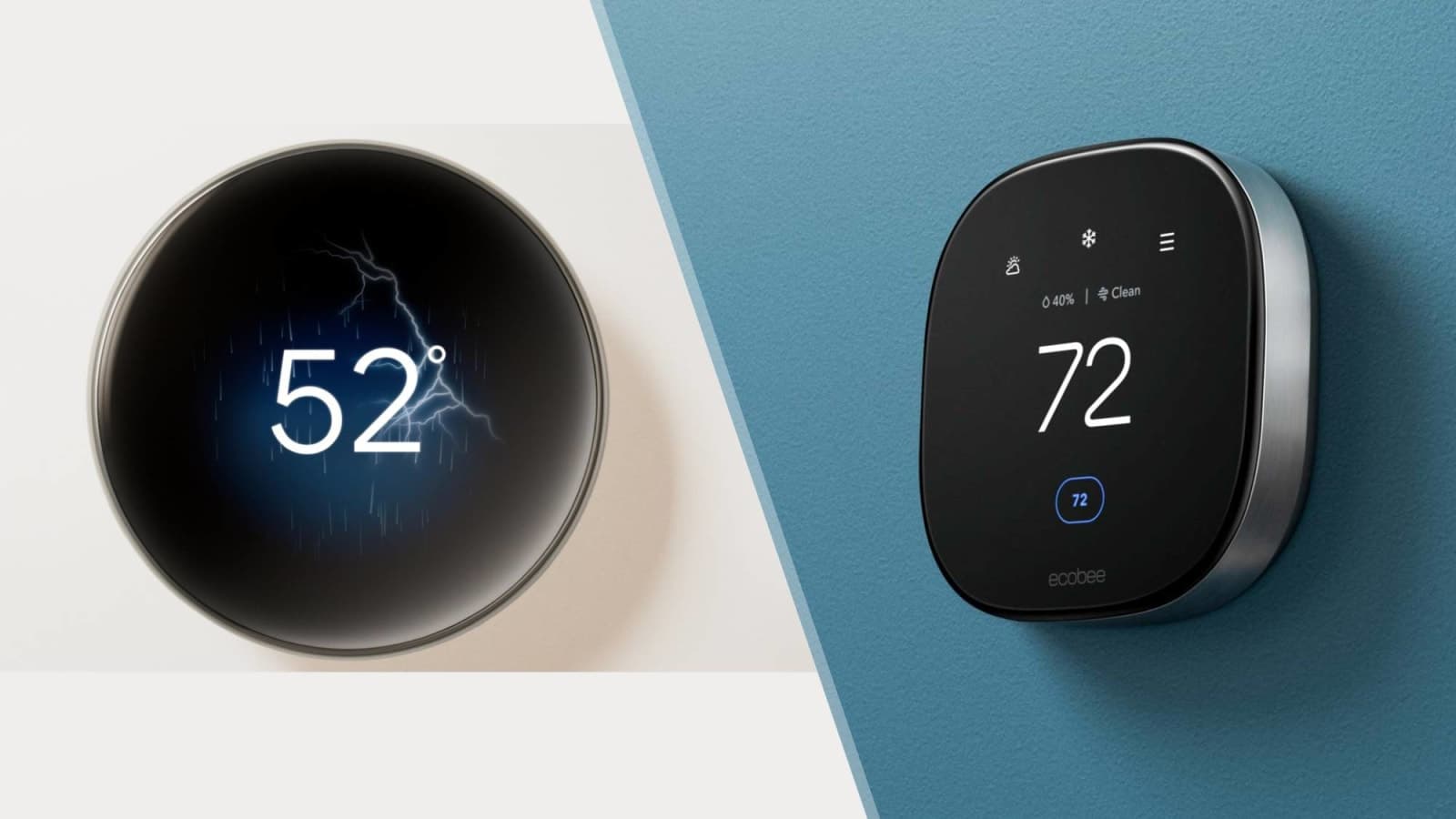
The promise of the smart thermostat is simple: reduce energy waste, save money on utility bills, and increase home comfort. Unlike traditional programmable models, today's best smart thermostats use sophisticated algorithms, real-time data, and occupancy sensors to achieve verifiable savings, often 10% to 15% on heating and cooling costs, according to manufacturer studies and independent verification by ENERGY STAR.
For 2026, the market is dominated by two primary philosophies in energy-saving technology: the Learning System and the Sensor-Driven System. We break down the top contenders and the features that make them genuinely energy efficient.
The Core Energy-Saving Technologies
A smart thermostat is only as efficient as its features. Look for these core functions, which separate a truly smart device from a basic Wi-Fi-enabled controller:
Feature | Function | Energy Benefit |
Learning Algorithm | Automatically detects and learns user habits (when you wake, when you leave) over weeks of use to build an optimized schedule. | Eliminates manual scheduling errors and unnecessary heating/cooling during predictable empty periods. |
Geofencing / Occupancy Sensing | Uses smartphone location (geofencing) or built-in radar/infrared sensors to detect when the home is empty or occupied. | Automatically sets the system back to an efficient "Away" temperature when the house is empty and pre-heats/cools upon return. |
Remote Room Sensors | Averages the temperature across multiple rooms instead of relying solely on the wall location. | Prevents overshooting the temperature in the main zone to compensate for a cold or hot room, thereby running the HVAC system less. |
Time-of-Use Optimization (eco+) | Communicates with the utility grid to pre-cool or pre-heat the home when electricity rates are lower (or cleaner energy is available). | Shifts energy consumption away from expensive peak demand times, saving money without impacting comfort. |
HVAC Monitoring | Runs diagnostic checks on the HVAC system and sends alerts for potential issues like clogged filters or poor performance. | Early detection of mechanical issues prevents the HVAC from running inefficiently and incurring greater repair costs. |
Top Energy-Efficient Smart Thermostats of 2026
The efficiency giants, Nest and Ecobee, employ different strategies to achieve maximum energy savings, making the "best" choice dependent on your home's setup and your preference for automation versus control.
1. Ecobee Smart Thermostat Premium (Best for Multi-Zone Comfort and Control)
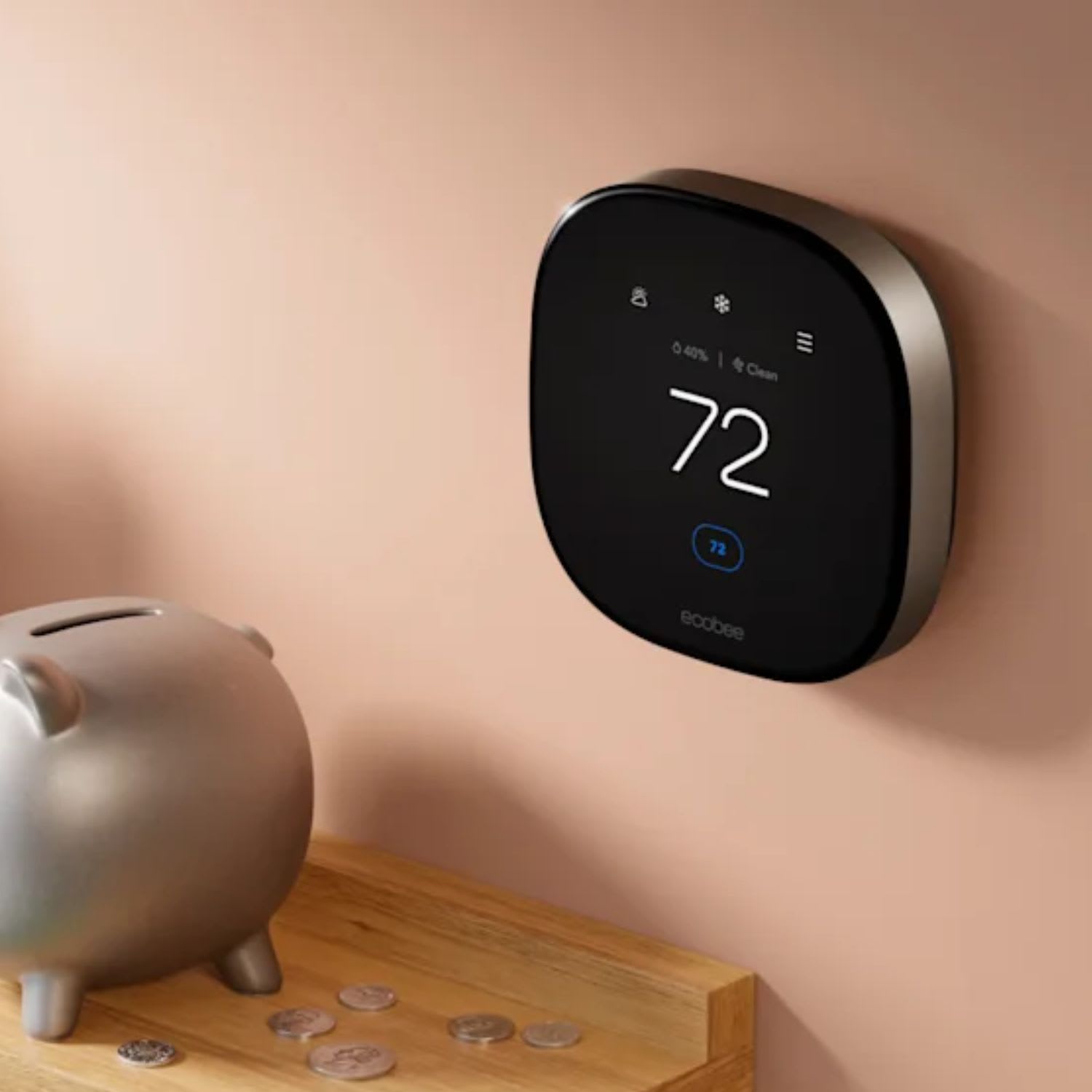
The Ecobee Premium is the superior choice for energy efficiency in homes with uneven heating/cooling or multiple zones.
Energy Strategy: Sensor-Driven. Ecobee's efficiency comes from its powerful sensor ecosystem. It includes a SmartSensor that monitors both temperature and occupancy in a distant room. The system can then prioritize or average temperatures across up to 32 sensors, ensuring the system runs only until the occupied rooms reach the desired temperature, rather than overshooting based on a single reading near the thermostat.
Key Energy Features:
eco+: This proprietary suite includes Time-of-Use optimization, weather impact adjustments (e.g., pre-heating on a cold, sunny day), and the powerful Smart Home & Away function based on the included occupancy sensors.
Air Quality Monitoring: The Premium model includes a built-in air quality sensor, which helps optimize ventilation and filter changes, indirectly contributing to the HVAC system's longevity and efficient operation.
Verdict: Maximum Customization. The Ecobee is ideal for hands-on users, larger homes, or those with dual-fuel and advanced HVAC systems who want to manage energy use based on where people actually are in the house. Verified customer data suggests up to 23% in heating/cooling savings.
2. Google Nest Learning Thermostat (4th Gen) (Best for Hands-Off Automation)
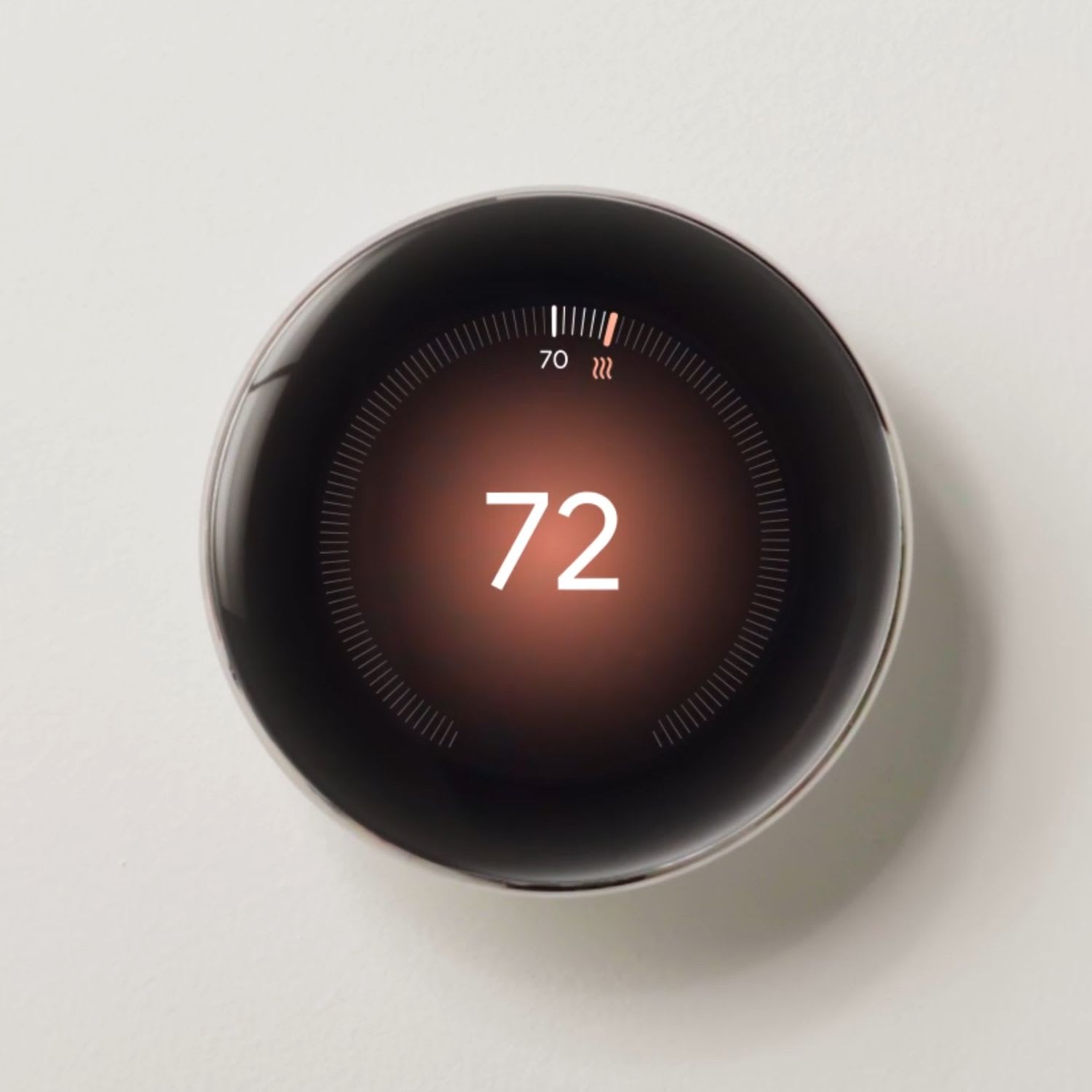
The Nest Learning Thermostat remains the industry standard for those who prefer a "set it and forget it" solution, leaning entirely on powerful, adaptive AI.
Energy Strategy: Learning Algorithm. Nest’s core efficiency feature is its proprietary algorithm, which requires no manual scheduling. After about a week, it learns your temperature adjustments and begins automatically creating an optimized schedule.
Key Energy Features:
Auto-Schedule: Adapts instantly to changes in your routine, ensuring energy is not wasted.
Farsight: The display lights up when you approach, but more importantly, it uses proximity and ambient light sensors to confirm occupancy and adjust for an energy-saving Eco Mode when the house is empty.
True Radiant/Cool: This feature learns how long your home takes to heat or cool, allowing it to start the HVAC system early and then gradually ramp down, preventing energy-intensive overshoot and maintaining more consistent temperatures with less system runtime.
Verdict: Simplicity and AI. The Nest is the best choice for users who want to save energy without ever touching the settings again. Its compatibility with the Google ecosystem is seamless, and its ability to often run without a C-wire makes it the easiest retrofit option for energy savings.
3. Amazon Smart Thermostat (Best Budget Energy Saver)
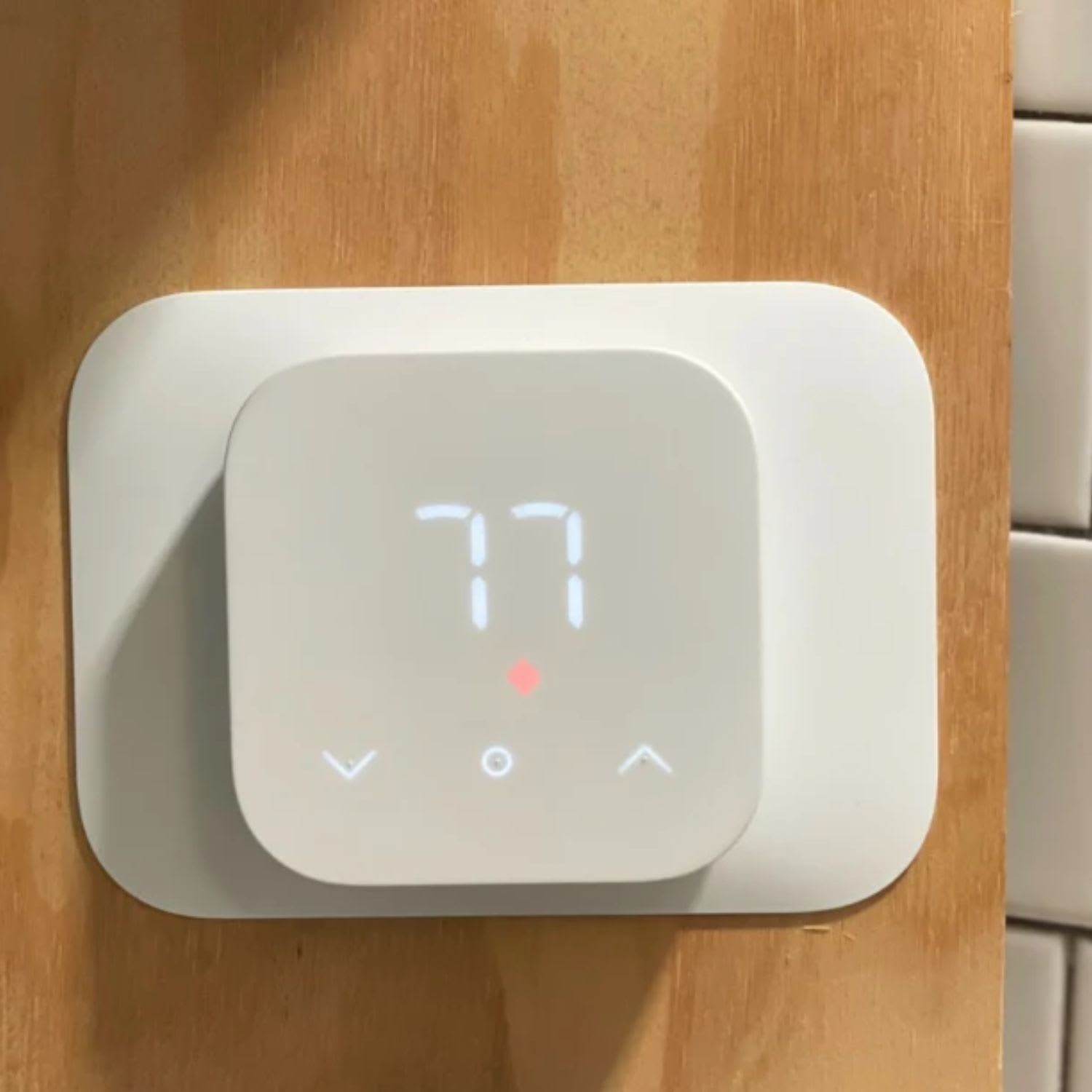
For consumers seeking fundamental smart efficiency without the complexity or cost of flagship models, the Amazon Smart Thermostat offers excellent core features.
Energy Strategy: Geofencing and Integration. Its efficiency is tied heavily to seamless integration with Alexa and the ability to leverage Alexa Hunches and geofencing (via the Alexa app or paired Echo devices).
Key Energy Features:
Alexa Hunches: Alexa can learn patterns and prompt the thermostat to take energy-saving action (e.g., "I see you're leaving, should I turn the AC up to save energy?").
Simple Scheduling: Provides basic scheduling and remote control, allowing the user to make manual energy-saving adjustments from afar.
Verdict: Affordable Entry Point. This model provides the foundational remote control and geofencing needed to prevent energy waste from manual errors. It is an excellent, low-cost solution for apartment dwellers or those with simple HVAC systems.
The Efficiency Breakdown: Choosing Your System
Factor | Choose Nest (Learning) | Choose Ecobee (Sensor-Driven) |
Home Size/Zones | Small to Medium-sized homes; single-zone systems. | Large homes: homes with pronounced hot/cold spots; multi-zone or dual-fuel systems. |
User Preference | Set-it-and-forget-it automation, dislikes manual adjustments. | Wants deep control, data, and the ability to customize every schedule parameter. |
Required Installation | Often works without a C-wire (Power Sharing). | Typically requires a C-wire (adapter kit included for DIY). |
Highest Energy Return | The immediate, automated setback savings from learning and proximity detection. | The optimization from sensing occupancy in multiple rooms, minimizing total runtime. |
Regardless of the model chosen, the purchase of an ENERGY STAR certified smart thermostat is consistently validated as one of the most effective and affordable ways to reduce utility consumption in any modern home.