

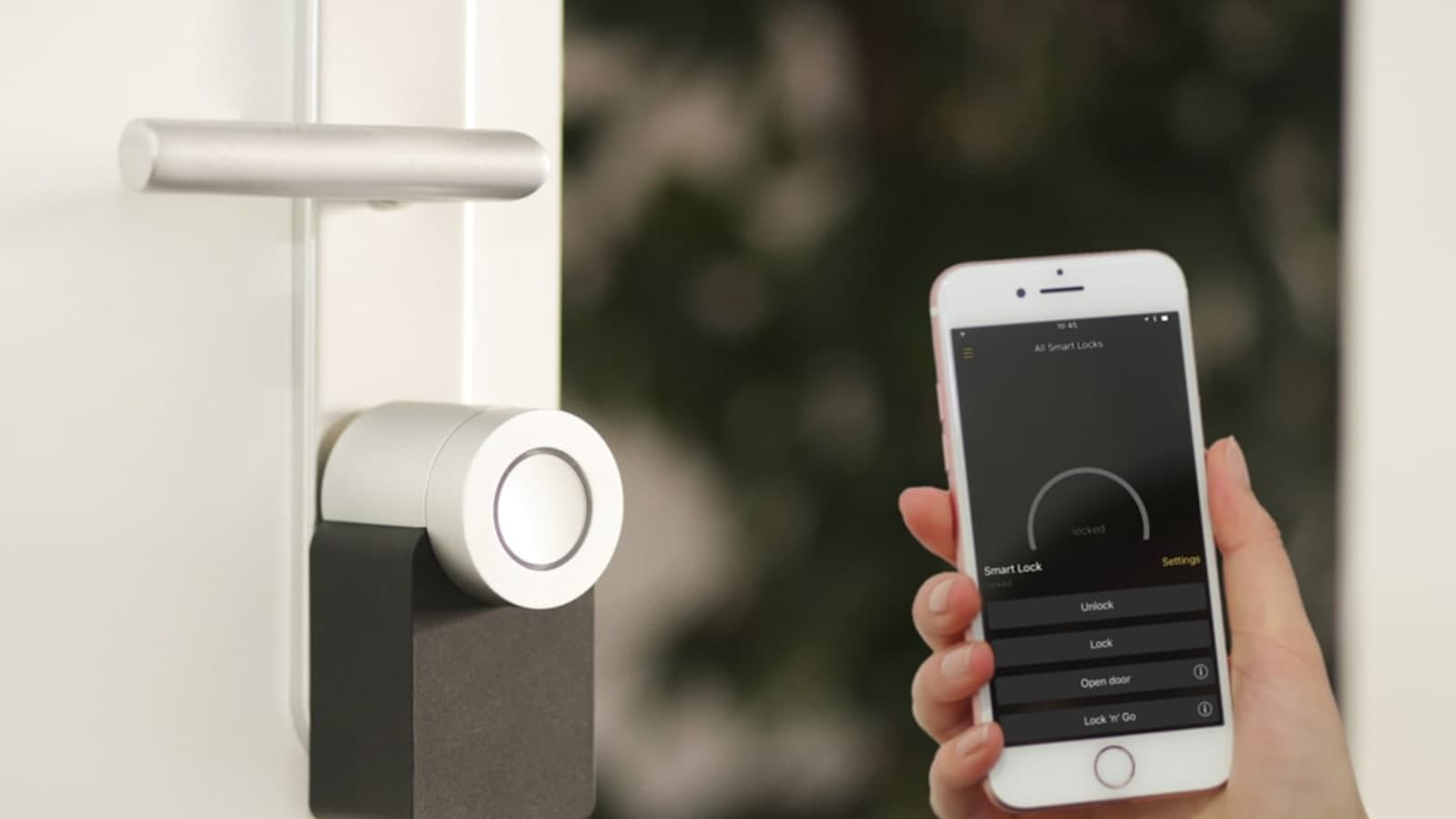
The lure of the smart lock keyless entry, remote access, and guest codes is powerful, especially for busy homeowners. The question is not just about the monetary cost, but whether the installation of these hightech security devices is a worthwhile Do-It-Yourself endeavor, or a task best left to a professional locksmith.
The answer depends heavily on the type of lock you choose, your existing door hardware, and your personal comfort level with basic home repairs and app configuration.
Part I: The Smart Lock Value Proposition
The convenience of a smart lock undeniably enhances the quality of life and security for many households. The core benefits that justify the initial investment and installation effort are:
1. Keyless Convenience and Remote Access
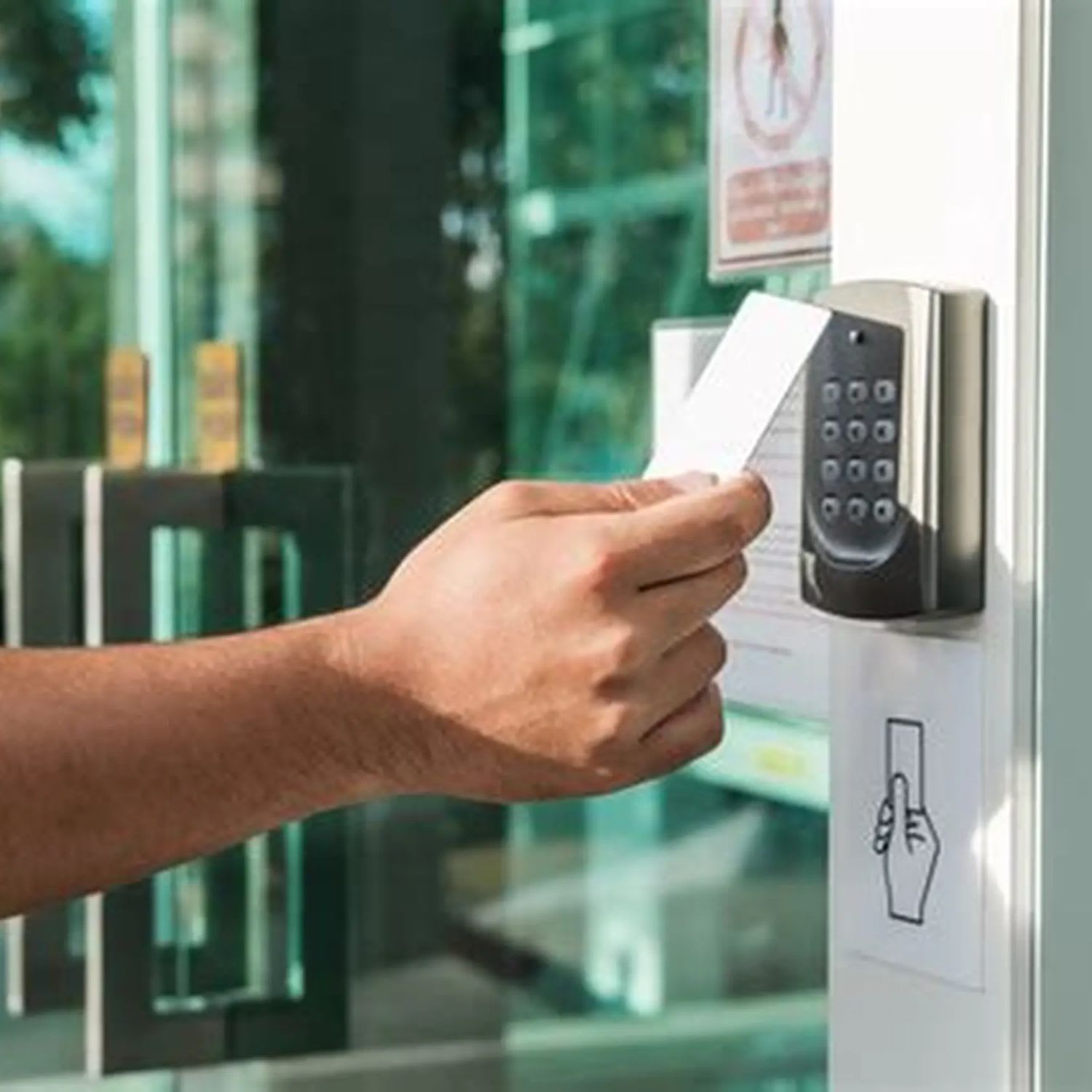
The biggest selling point is eliminating the need for a physical key. Access methods typically include a keypad, a smartphone app, or biometric fingerprint scanning. This is invaluable for:
Preventing Lockouts: You can always unlock the door remotely via the app.
Granting Access: You can generate temporary, time-sensitive access codes for dog walkers, service providers, or rental guests (e.g., Airbnb), which can be revoked instantly.
Peace of Mind: You can check the lock status and lock the door from anywhere in the world.
2. Enhanced Security Features
Smart locks offer layers of protection that a traditional deadbolt cannot:
Activity Logs: Real-time notifications and a history log show exactly who entered and when.
Tamper Alerts: Many models include built-in alarms that sound or send a notification if the lock is being tampered with or if repeated failed entry attempts are logged.
Auto-Locking: The ability to automatically lock the door after a set period (e.g., 30 seconds) eliminates the human error of forgetting to secure the house.
Part II: The DIY Installation Reality
Smart locks are explicitly designed to be DIY-friendly and typically come with comprehensive instructions and video tutorials. For a standard deadbolt replacement on a modern door, the process often requires only a screwdriver and can take as little as 30 minutes to an hour.
However, the ease of installation varies drastically based on the lock type.
Type 1: The Retrofit Lock (Easiest DIY)
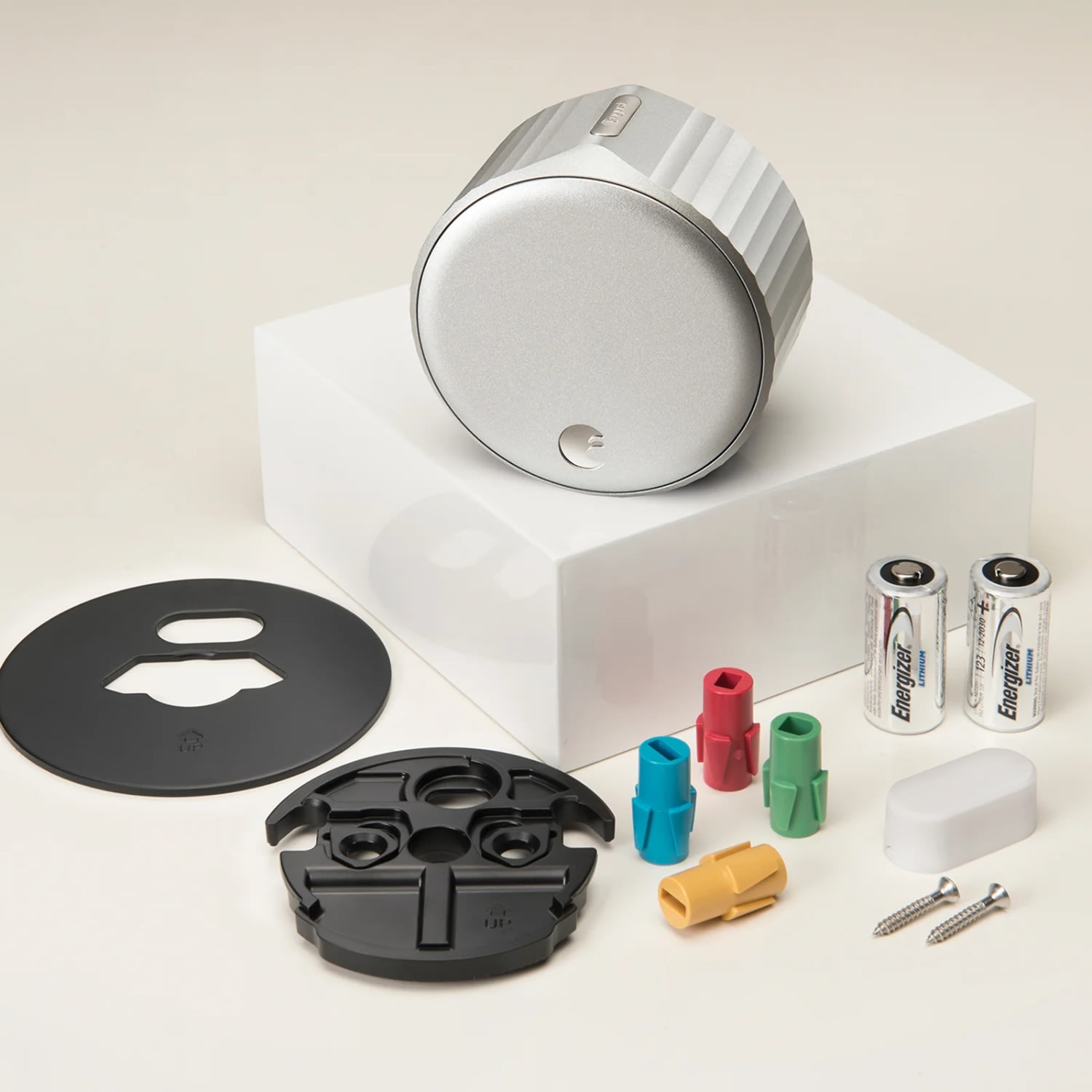
Example: August Wi-Fi Smart Lock.
Installation: This type only replaces the interior thumbturn of your existing deadbolt. It maintains the exterior key mechanism, meaning there is no need to remove the existing exterior plate, key cylinder, or bore into the door.
Complexity: Very low. This is essentially a snap-on replacement of the interior hardware. It is the quickest and least error-prone method, saving $50 to $100 on potential professional installation fees.
Type 2: The Full Replacement Deadbolt (Moderate DIY)
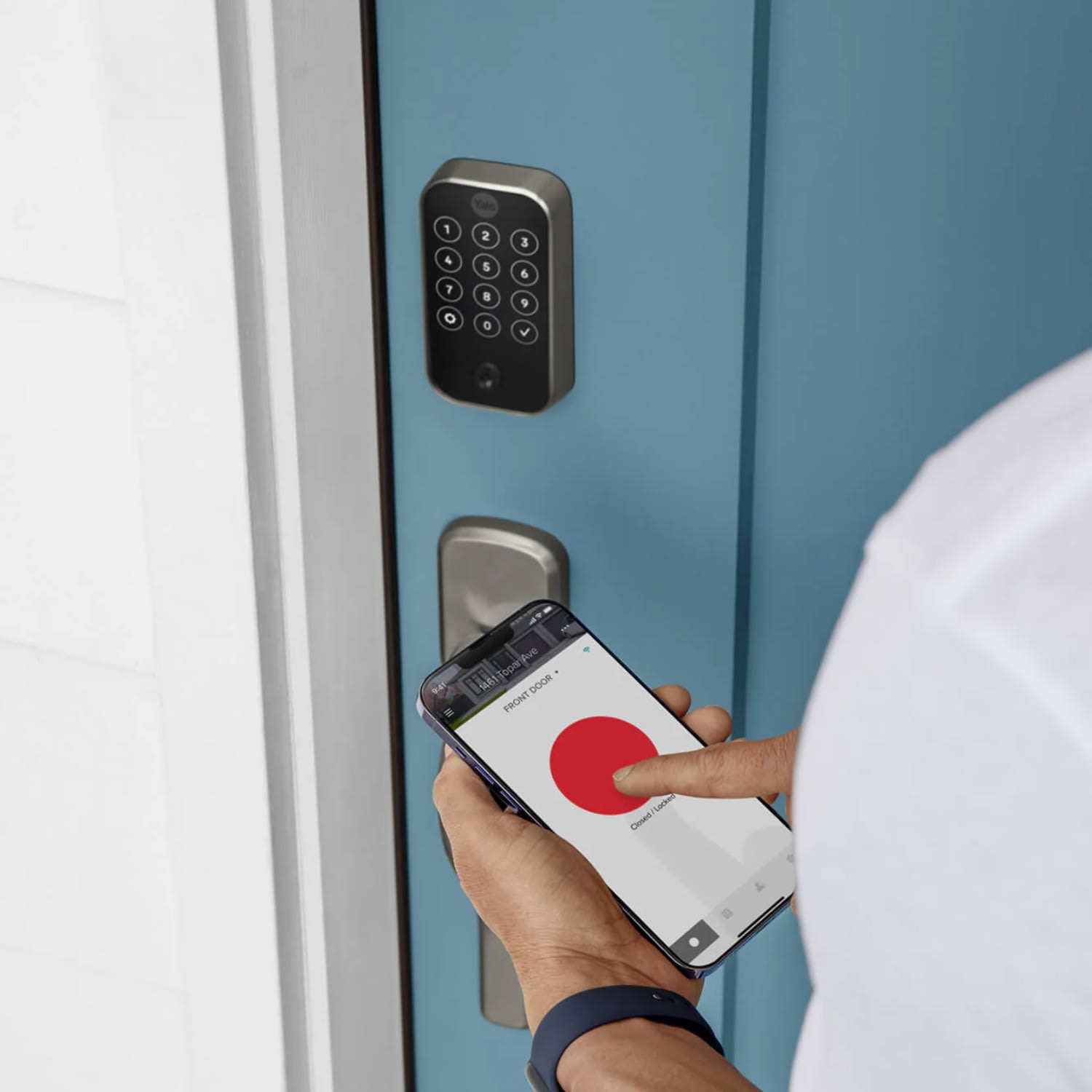
Example: Yale Assure Lock 2.
Installation: This replaces the entire deadbolt mechanism, including the strike plate, latch, and both the exterior (keypad/touchscreen) and interior assemblies.
Complexity: Moderate. It requires proper alignment of the new latch bolt and exterior hardware, ensuring the door is not misaligned. The mechanical installation is straightforward but must be precise. The main complexity lies in the final calibration and software setup (Wi-Fi connection, app integration, firmware updates, and security settings).
DIY Risks and Pitfalls
The biggest risks of DIY installation are often mechanical, which can lead to electronic failure:
Misalignment: This is the most common issue. If the latch and the strike plate are even a few millimeters off, the deadbolt motor will struggle to extend and retract. This leads to poor performance, excessive battery drain, and eventual motor failure, which can void the product warranty.
Door Prep Issues: Older doors or non-standard hole sizes (bore holes) may require minor drilling or carpentry modifications. Attempting this without the correct tools can damage the door or frame.
Skipping Software Setup: A physically perfect installation is only half the job. Failure to update firmware, enable two-factor authentication, or set a strong, unique PIN can leave the lock vulnerable to hacking or remote failure.
Part III: When to Call the Professional
While many smart lock manufacturers promote DIY installation, there are clear scenarios where professional help is necessary and worth the added cost (which can range from $100 to $300 for labor, depending on location and complexity).
Scenario | Recommendation | Why Professional Installation is Best |
Old or Misaligned Door | Hire a Locksmith | Older doors often warp or sag. A locksmith can fix alignment issues (including adjusting the strike plate and door frame) before installing the new lock, ensuring smooth motor function. |
Complex Smart Home Integration | Hire an Integrator | If the lock must coordinate flawlessly with a security system, lighting routines, or a professional home automation system (like Control4), a specialist is necessary to ensure seamless communication and prevent network conflicts. |
Specialized Lock Type | Hire a Locksmith | Locks that require significant door modification (e.g., mortise locks or handle-sets with integrated smart technology) are not standard DIY jobs. |
Warranty Concern | Check Manufacturer Requirements | Some high-end locks specify that professional installation is required to keep the full warranty valid. Verify this policy before you start. |
Conclusion: Are Smart Locks Worth the DIY Effort?
Yes, smart locks are worth the effort, but with a critical caveat: choose your lock wisely based on your existing hardware and your skill level.
For the average homeowner with a standard modern deadbolt and comfort with a screwdriver, a Retrofit Lock (Type 1) is an easy, low-risk DIY project that immediately delivers the convenience of keyless entry and saves money.
For those upgrading to a Full Replacement Lock (Type 2), the effort is only worthwhile if you are meticulous about alignment and comfortable with the initial technical setup. If your door is old, warped, or you rely heavily on the lock's remote and automation functions, the investment in professional installation offers peace of mind and protection of your security guarantee.
Ultimately, the goal is not just to have a smart lock, but to have a secure, perfectly functioning smart lock. Do not risk your home security to save a few dollars.