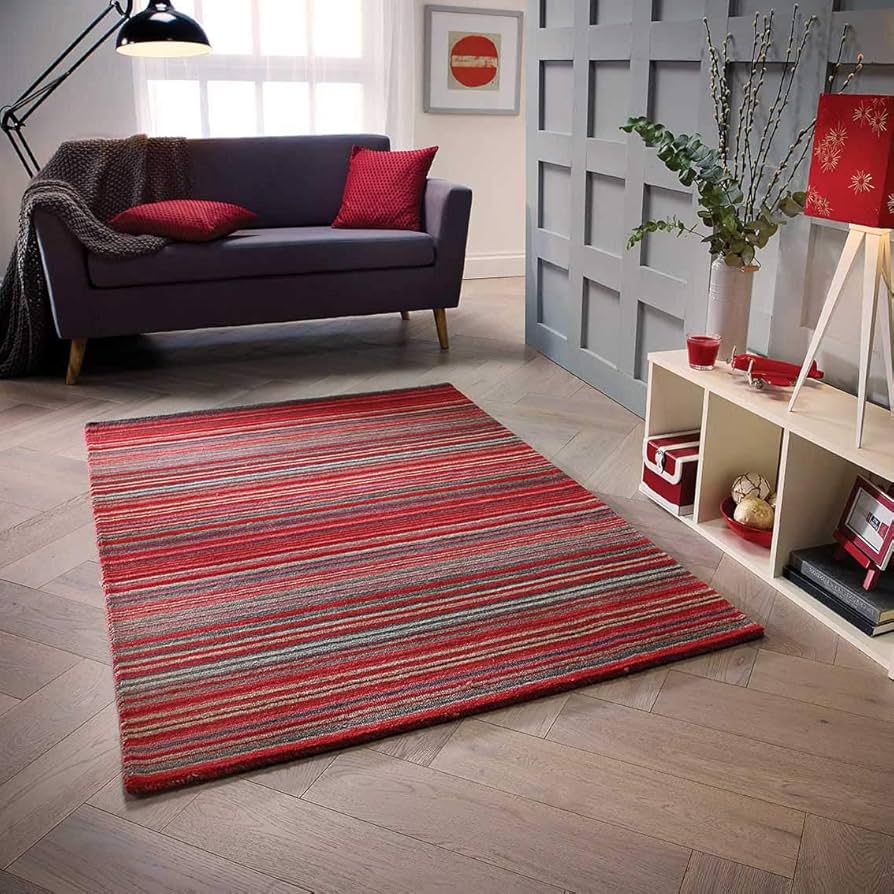
The RugsDirect Difference
Historically, choosing a rug has been an overwhelming process. Customers are expected to navigate physical stores with limited inventory, inconsistent pricing, and minimal visualization support. The result is often hesitation, compromise, or costly mistakes in sizing and design.
RugsDirect disrupts this friction by streamlining the entire journey. Instead of treating rug shopping as a chore, it reframes it as a guided discovery process. Through curated collections, intuitive filtering systems, and room-specific recommendations, users can quickly move from inspiration to decision without the usual friction points.
Where traditional retailers rely on physical browsing and guesswork, RugsDirect emphasizes clarity and convenience. Customers can explore styles by room type, color palette, material, or lifestyle needs—whether that means a high-traffic family living room, a minimalist workspace, or a cozy bedroom retreat.
The difference is not just logistical—it is psychological. By reducing complexity, the brand helps users make more confident design decisions, turning uncertainty into creative control.
While rugs may seem like a purely aesthetic purchase, their impact on wellness is surprisingly significant. A thoughtfully chosen rug does more than decorate a space—it reshapes how a room feels, sounds, and supports daily life.
The primary wellness benefit associated with RugsDirect’s approach is emotional grounding and stress reduction through environmental comfort. A soft, well-designed rug creates a sense of visual and tactile stability, which can subtly reduce cognitive overload in busy households or work-from-home environments. This grounding effect helps spaces feel calmer, more organized, and more intentional.
From an ergonomic and physiological perspective, rugs also contribute to comfort in ways that are often underestimated. They provide cushioning that reduces strain during standing or movement, soften hard flooring surfaces, and improve acoustics by absorbing sound reflections. This results in quieter, more peaceful environments that support focus and relaxation.
A secondary wellness dimension lies in mental clarity through environmental design. Spaces that are visually cohesive and thoughtfully layered tend to encourage more structured thinking and improved mood regulation. By enabling users to quickly find rugs that match their aesthetic goals, RugsDirect indirectly supports a more harmonious home environment.
In essence, the brand operates at the intersection of design and wellbeing—helping users shape environments that not only look good but feel meaningfully restorative.